Expert care for fractures and serious injuries, with round-the-clock emergency support, skilled surgery and guided rehabilitation.
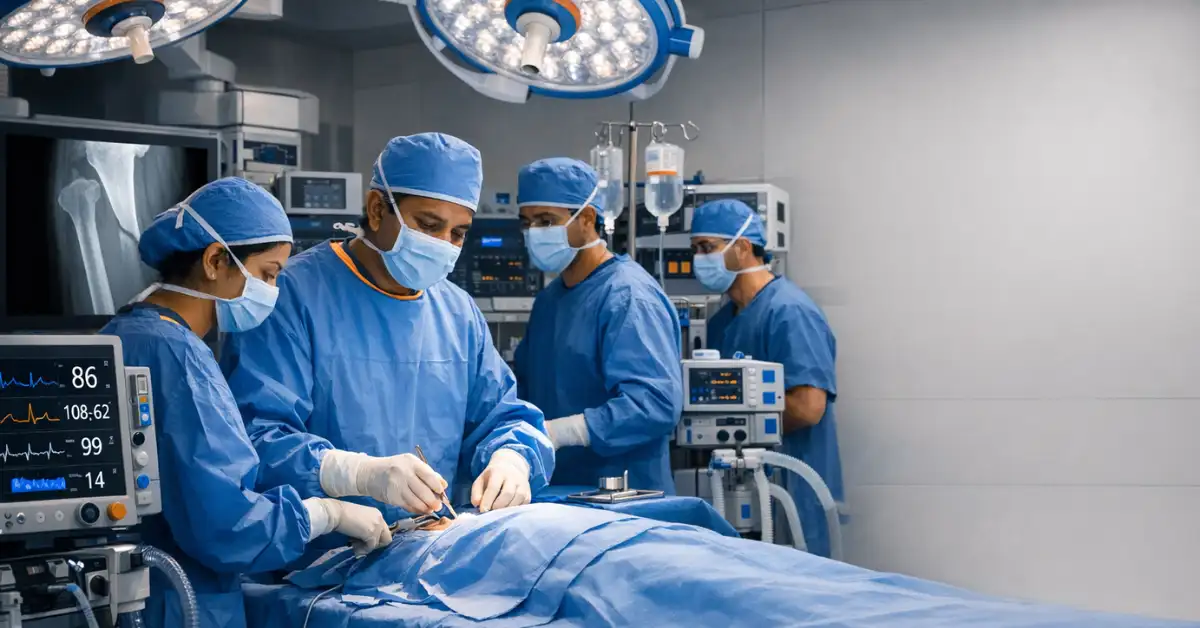
Trauma surgery treats sudden, serious injuries to bones, joints and soft tissues, whether from road accidents, falls or workplace mishaps. Quick assessment in the first hours can make a real difference to healing and mobility.
At Kathir Hospital, the emergency and orthopaedic team examines you promptly and uses imaging to guide treatment, from casting to surgery, explaining every step to you and your family.
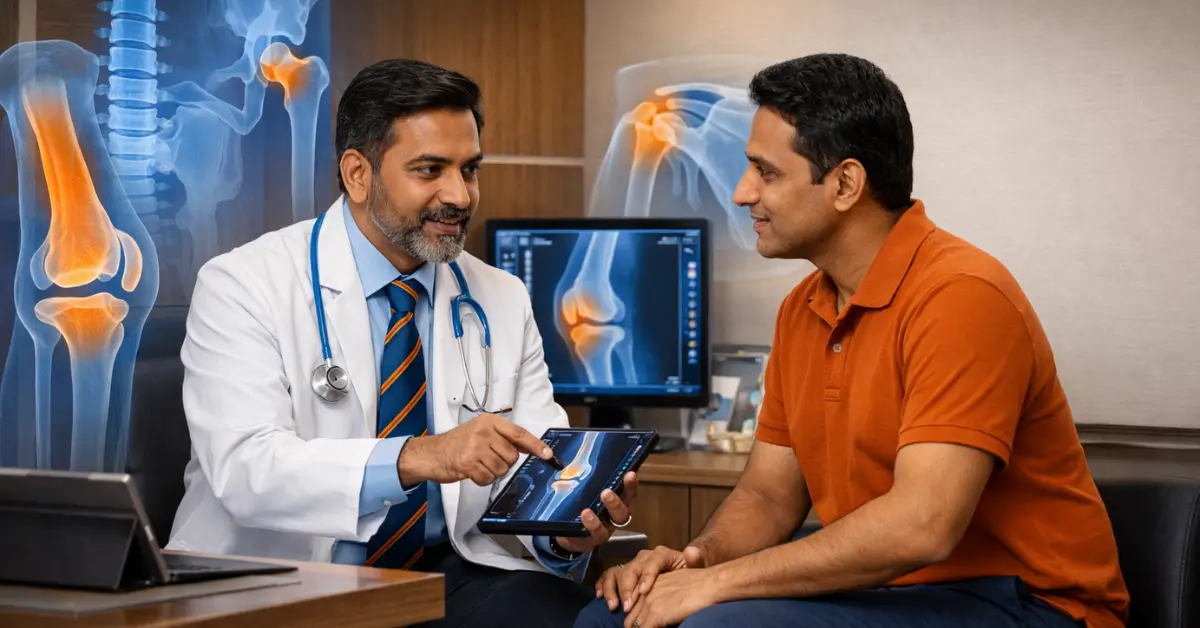
Bring your questions, previous reports and current medicines. The hospital team can confirm the right next step.
+91 88838 93521Trauma surgery treats fractures, dislocations and serious bone and joint injuries, with emergency assessment, imaging support and structured rehabilitation to help you regain movement and strength.
Enquiry topics, not diagnoses.
Publish only services confirmed by the speciality team.
Experienced orthopaedic and trauma specialists provide prompt, personalised care for fractures and serious injuries, supporting patients from emergency treatment through recovery.


Bring previous reports, imaging results and current medicines for your consultation.
Tell us how and when the injury happened, where it hurts and whether you have swelling, bleeding, numbness or difficulty moving the limb. Do not move an injured limb more than needed, and support it until you are seen.
Carry any X-ray or scan films and reports, details of first aid or treatment received elsewhere, and a list of your medicines. Please mention long-term conditions such as diabetes or blood pressure, any allergies and any blood thinners you take.
For planned follow-up or surgery, follow the hospital’s instructions on fasting, medicines to continue or stop, and the investigations needed before the procedure. For a fresh injury, do not wait for an appointment and call the hospital or come to the emergency department.
Learn about orthopaedic consultation, diagnosis, treatment options and rehabilitation.
Open Patient GuideFrom emergency assessment and imaging to surgery and rehabilitation, receive coordinated trauma care based on your injury.
Orthopaedic and emergency specialists evaluate your injury, explain your scan findings and discuss every treatment option, including the ones that do not need surgery.
Emergency care, X-ray and imaging support, modern operation theatre, anaesthesia care, ICU backup and physiotherapy when required.
View FacilitiesClear guidance for patients and families before and after surgery, with a personalised rehabilitation plan covering pain relief, mobility training and strengthening, so you can return to daily routines safely.
Contact HospitalClear answers to common questions about fractures, accident injuries and recovery after trauma surgery.
Share your details with the Kathir Hospital team and discuss your bone, joint, muscle or spine concerns.
Do not use this form for urgent medical assistance. For emergencies, call the hospital directly.
A member of the hospital team can follow up on your enquiry.
By submitting this form, you consent to Kathir Hospital contacting you about your enquiry. Do not share urgent medical information here.