Medically reviewed by Dr. V. Kathiroli, M.B.B.S., DGO., DNB., Director and Obstetrician & Gynaecologist, Kathir Hospital, Trichy. Last reviewed: [Date]
Kathir Hospital, Woraiyur, Trichy, offers laparoscopic and robotic surgery for a wide range of women’s health conditions. Our gynaecology team combines modern surgical technology with careful, personal care, so that women can be treated with less pain, smaller scars and a quicker return to their families and work.
As a trusted centre for minimally invasive gynaecology in Trichy, we focus on safe and practical surgical solutions for both common and complex conditions. Many women arrive after months of heavy periods, pelvic pain or unsuccessful attempts to conceive. Our first aim is to understand what is causing the problem. Surgery is recommended only when it is the right choice for you.
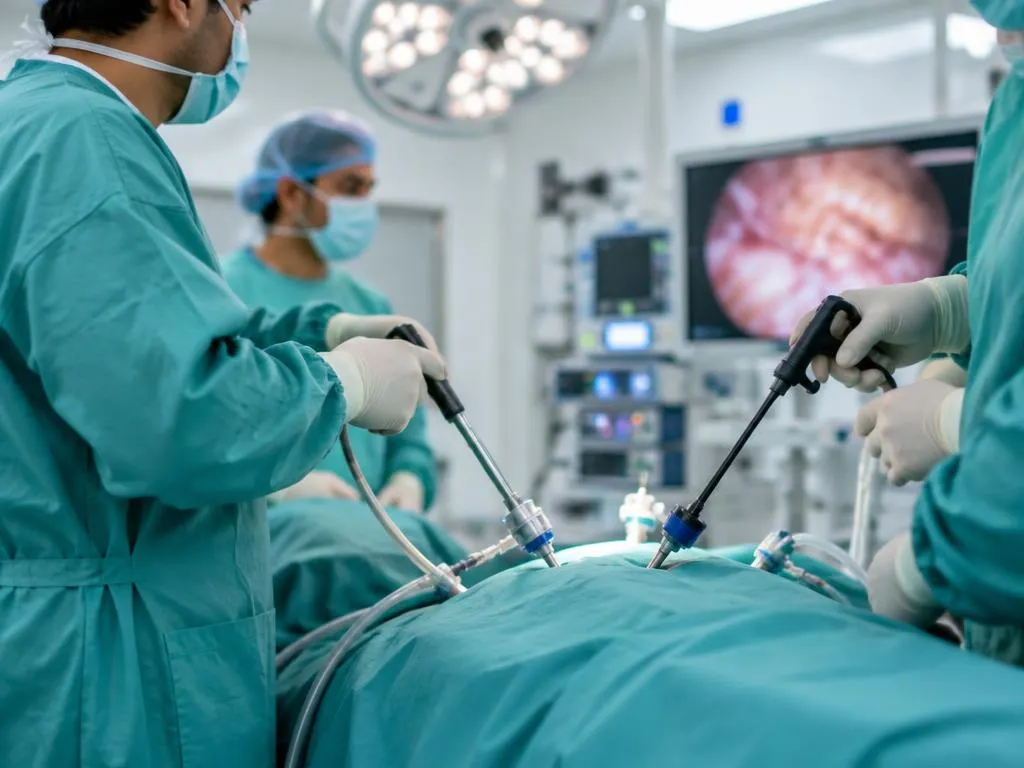
Laparoscopic surgery, also called keyhole surgery, is a way of operating through a few tiny cuts in the abdomen instead of one large incision. Each cut is usually 5 to 10 mm long. Through one of them, a thin tube with a high-definition camera (the laparoscope) is passed in. The camera sends a magnified view to a screen, and slim instruments passed through the other cuts do the work. Carbon dioxide gas is gently used to lift the abdominal wall and create space to operate. The gas is released at the end of the procedure.
Because the cuts are small, most women have less pain, smaller scars and a faster recovery. Many go home within one to two days. The magnified view also helps the surgeon see small areas of disease, fine blood vessels and delicate tissue planes that are harder to see in open surgery.
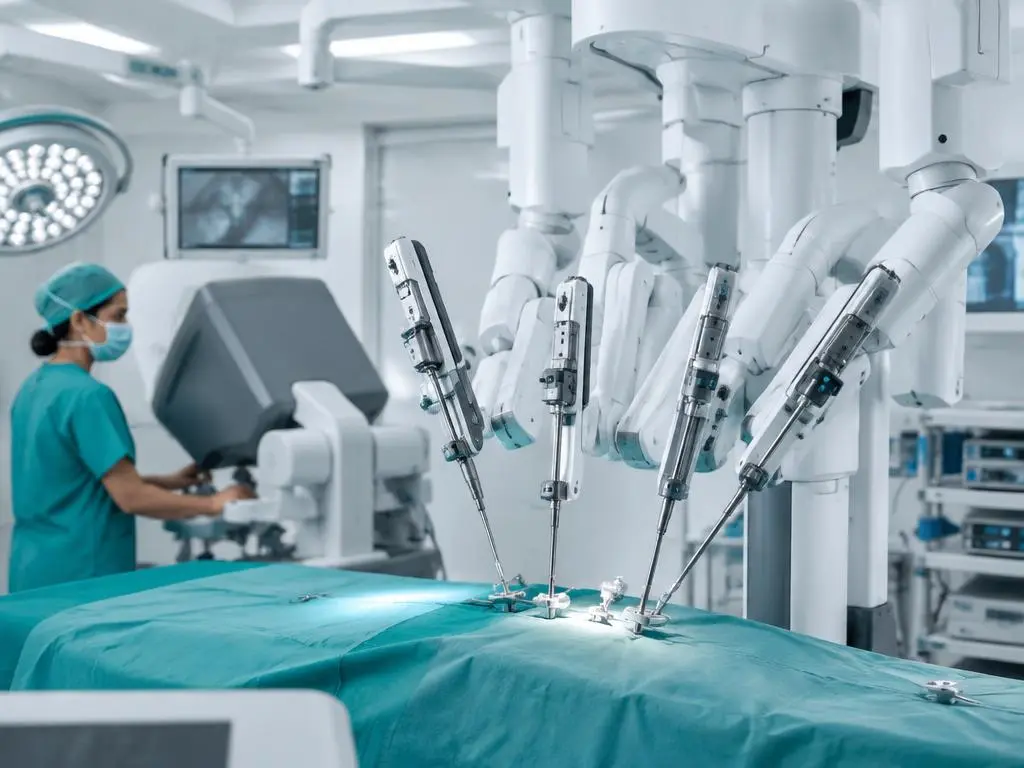
Robotic surgery builds on the laparoscopic approach. The surgeon sits at a console and guides robotic arms that hold the camera and instruments, with a magnified 3D view and highly flexible instrument movement. The instrument tips can bend and rotate like a human wrist, which helps with precise cutting and suturing in tight spaces. It is especially useful in deep pelvic areas, in cases with dense scar tissue and in detailed reconstructive work.
The robot never acts on its own. Every movement is controlled by your surgeon, who stays in the operation theatre throughout. Robotic surgery is a tool, not a guarantee of a better result for every patient. For many conditions, standard laparoscopy gives an equally good outcome, and your surgeon will tell you which approach suits you.
Results depend on your condition and general health. Your surgeon will explain what is realistic in your case.
Kathir Hospital, Trichy, offers expert laparoscopic and robotic surgery with advanced technology, personalised care and faster recovery for women’s health conditions.
Our minimally invasive surgery is led by Dr. V. Kathiroli (M.B.B.S., DGO., DNB.), Director of Kathir Hospital and an Obstetrician and Gynaecologist with 15+ years of experience. She has advanced training in laparoscopic and robotic surgery, with a special interest in Total Laparoscopic Hysterectomy and endometriosis. She has presented research on both topics and is a member of FOGSI, IAGE, EFI and ESHRE.
High-definition laparoscopic systems, advanced instruments and robotic assistance support accurate and safe surgery in a well-equipped operation theatre.
Not every patient needs surgery, and not every surgery needs a robot. We explain your options, risks and alternatives clearly, so you can decide with confidence. You are always welcome to ask questions or take time before agreeing to a plan.
From diagnosis and anaesthesia to nutrition, physiotherapy and follow-up, our multidisciplinary team supports you at every step. Women planning pregnancy also have our fertility and IVF teams working alongside the surgeons.
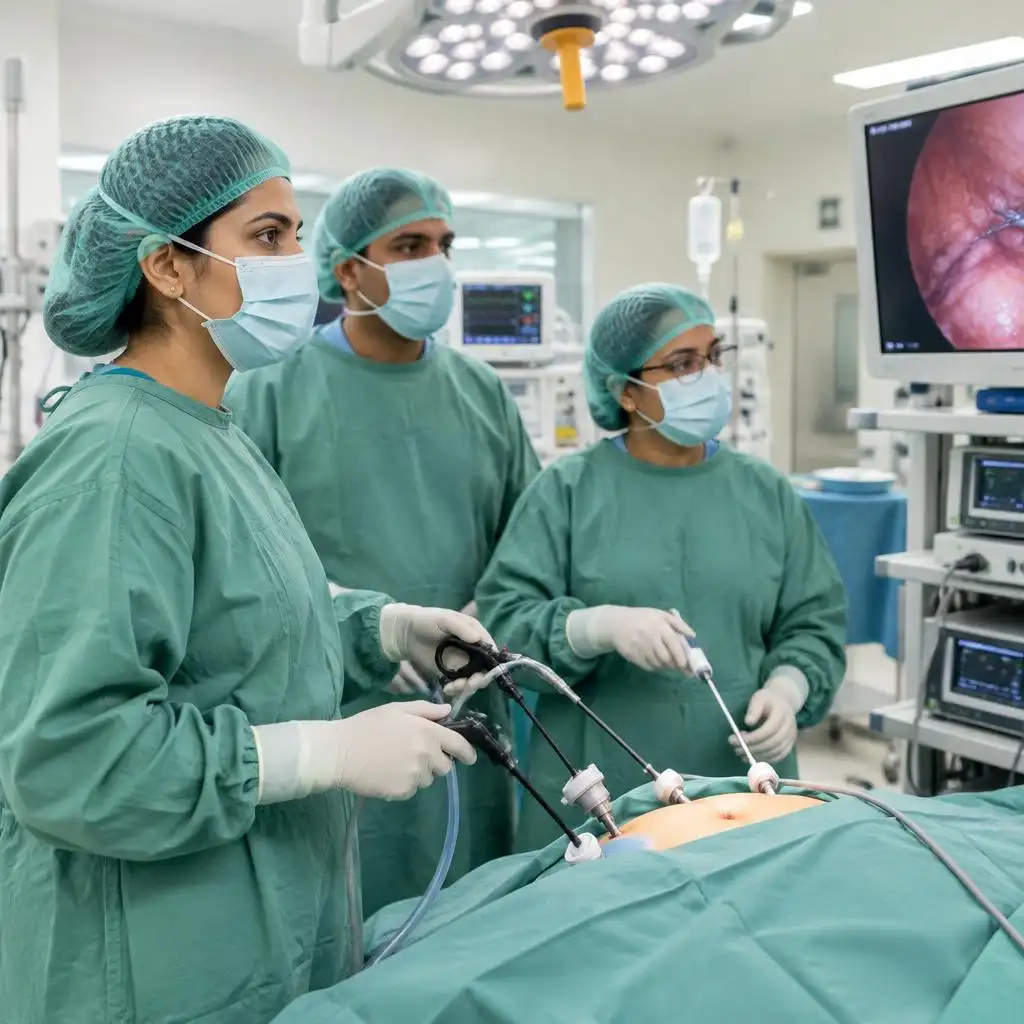
TLH is the removal of the uterus through small incisions, with the entire procedure done through the keyhole approach. It is advised for conditions such as:
Hysterectomy is usually considered after other treatments have been tried or are not suitable. Whether the ovaries are removed is decided separately, based on your age, risk factors and your own wishes. Many women keep their ovaries, which means hormone production continues.
Benefits include less blood loss, early discharge, quicker return to routine activity and minimal scarring. TLH is one of Dr. Kathiroli’s main areas of interest and research.
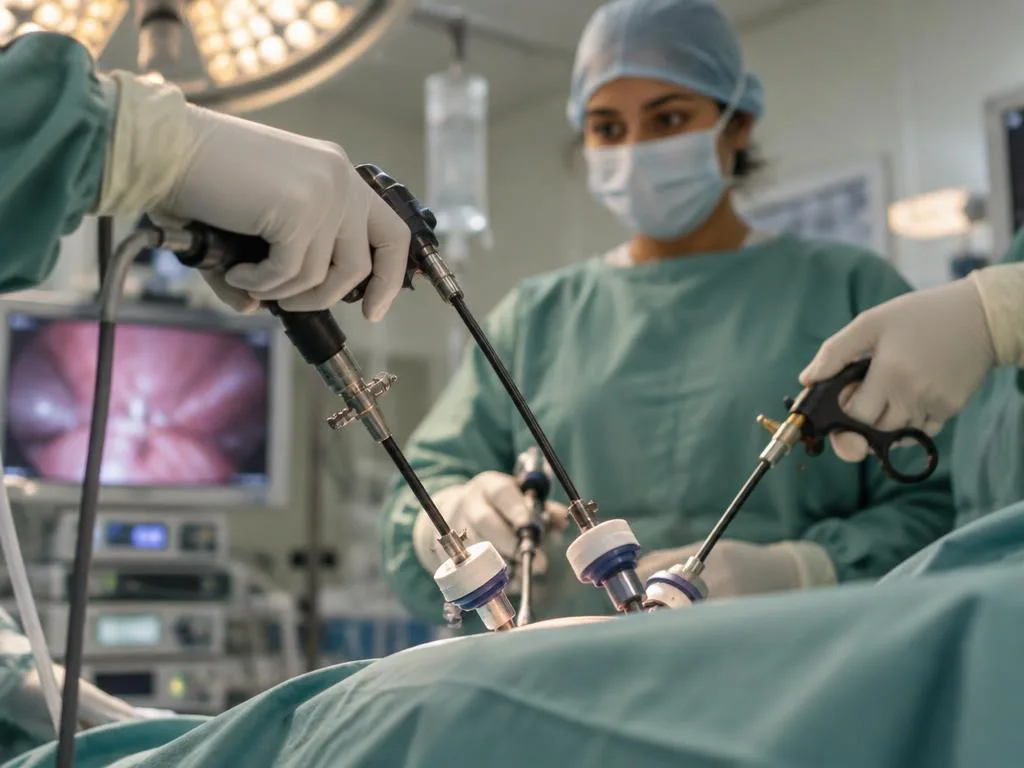
Myomectomy removes fibroids while keeping the uterus, which matters for women who wish to conceive later. The fibroids are taken out of the uterine wall and the wall is repaired with careful stitching in layers. It is used for:
Advantages include preserving the uterus and fertility, a lower chance of adhesions, less pain and an earlier return to daily life. Fibroids can return in some women over time, and your doctor will discuss this with you. If you plan a pregnancy after myomectomy, your surgeon will advise on the right waiting period and the safest mode of delivery.
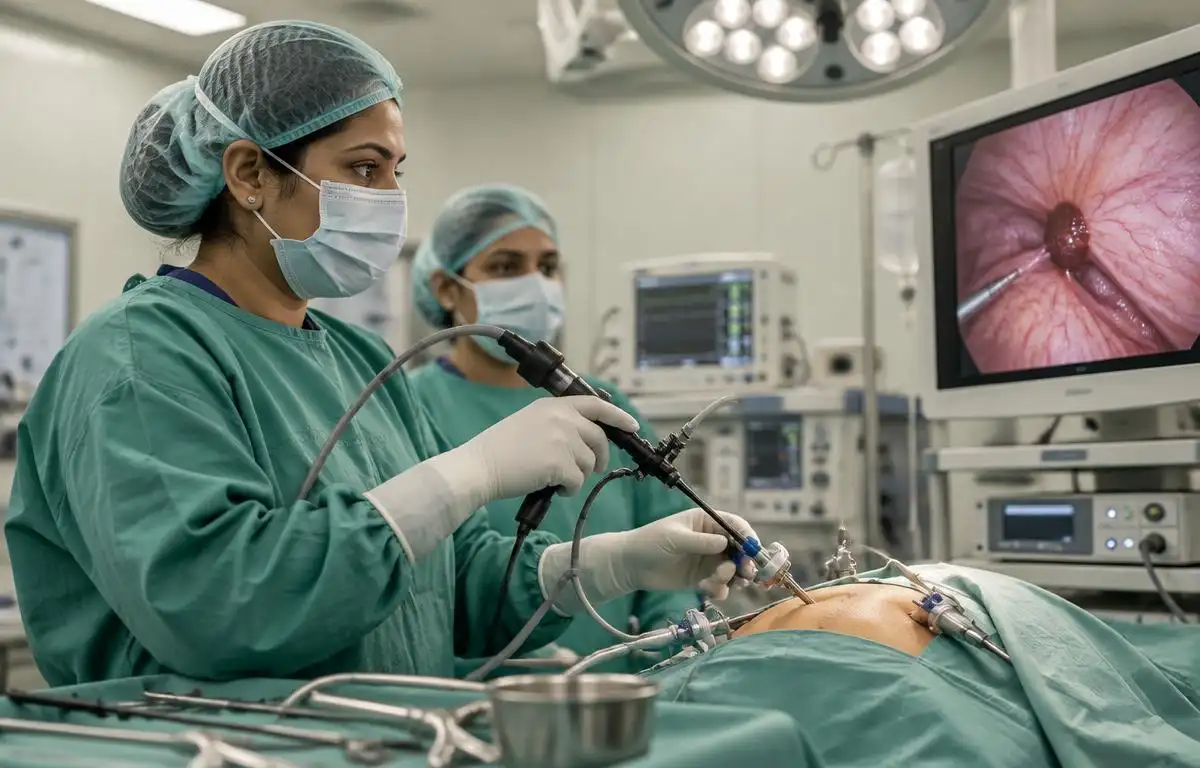
Endometriosis can cause severe period pain, pelvic pain, painful intercourse and difficulty conceiving. Laparoscopy allows the surgeon to see the disease directly, remove endometriotic tissue and cysts, and release scar tissue, while protecting healthy ovarian tissue as far as possible.
Endometriosis is a long-term condition, and surgery is often combined with medical treatment and follow-up. The goal is to relieve pain, restore normal pelvic anatomy and improve the chance of conceiving where that is desired. Your plan is tailored to your age, symptoms and family plans.
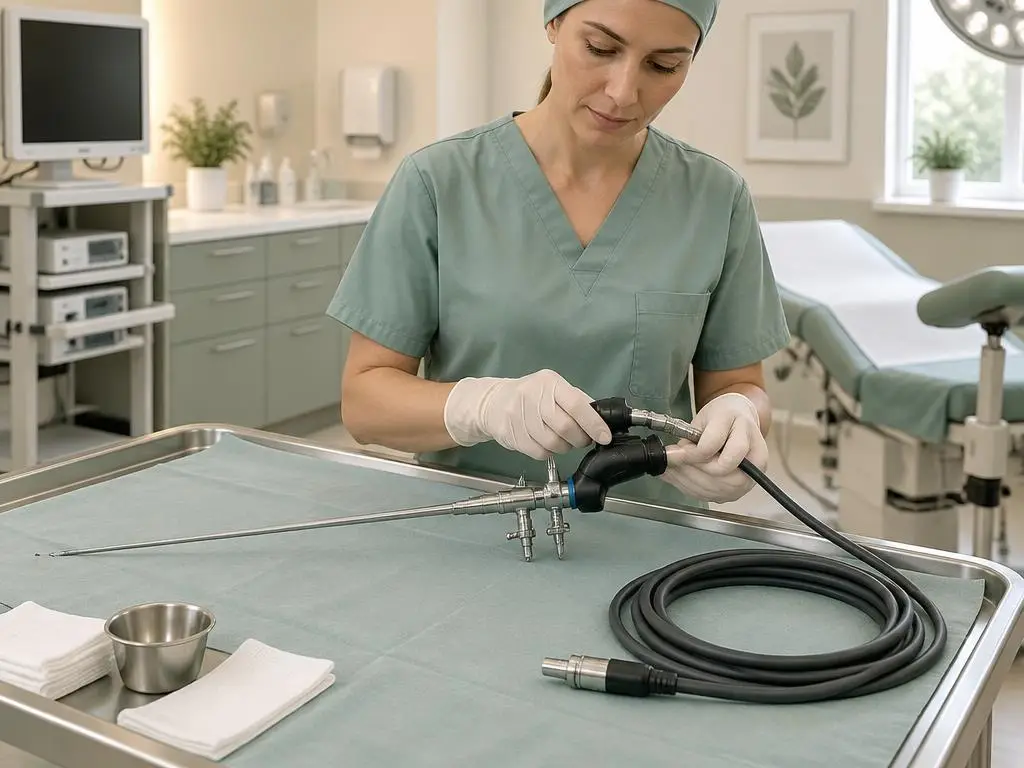
Some cases of infertility are linked to structural problems in the uterus or tubes. In hysteroscopy, a thin camera is passed through the vagina and cervix, so no cut is needed on the abdomen. Procedures include:
When suitable, these procedures can improve the chance of natural conception or of success with IVF. Our fertility team and surgeons review your reports together, so that surgery is advised only when it is likely to help.
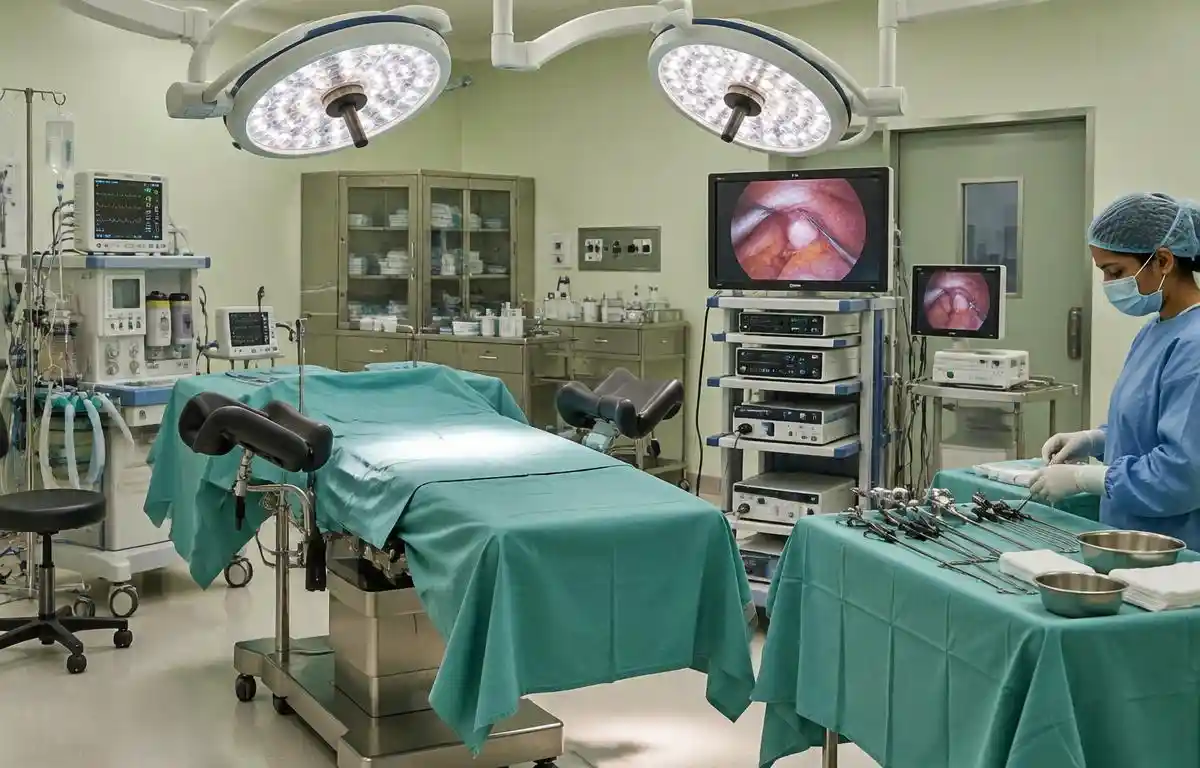
An ovarian cyst is a small sac filled with fluid that forms on the ovary. Many cysts are harmless and go away on their own within a few weeks or months, so not every cyst needs an operation. Often we simply repeat the scan and watch.
Surgery is considered when a cyst:
In laparoscopic cystectomy, the surgeon removes only the cyst through small cuts and protects the healthy part of the ovary. This is important for women who want to have children later. Most women go home in one to two days and get back to normal activities quickly. The removed tissue is sent to the laboratory when needed, to confirm what the cyst was.
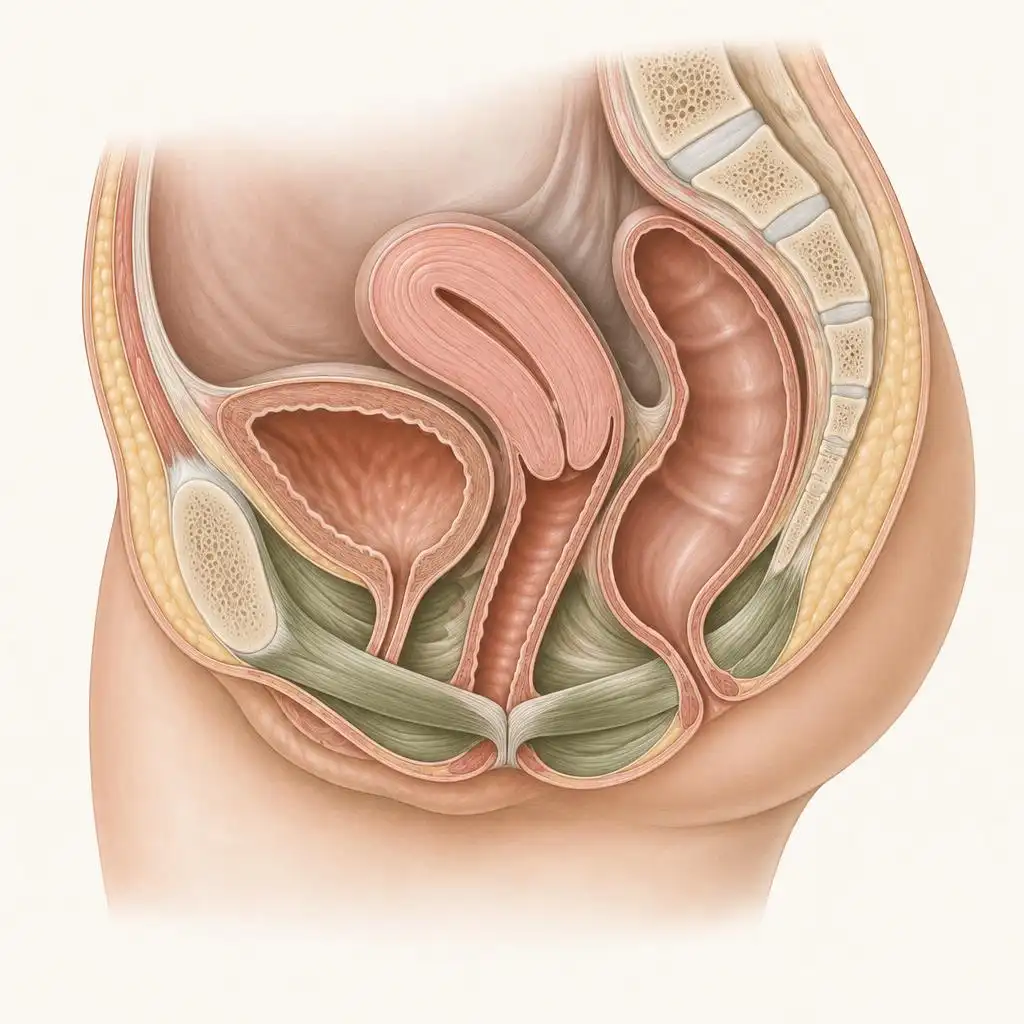
Prolapse happens when the muscles and ligaments that hold the uterus and bladder in place become weak, and the organs slip downwards. Urinary leakage, called stress urinary incontinence, means passing a little urine when you cough, sneeze, laugh or exercise. Both are common after childbirth and with age, and both can be treated.
You may notice:
Mild cases may improve with pelvic floor exercises and lifestyle changes. If symptoms persist, laparoscopic or sling surgery can support the pelvic organs and reduce urine leakage. The procedure depends on your health and preferences. Compared with open surgery, recovery is often faster, with less pain and a shorter hospital stay. After surgery, we guide you on safe lifting and pelvic floor care.
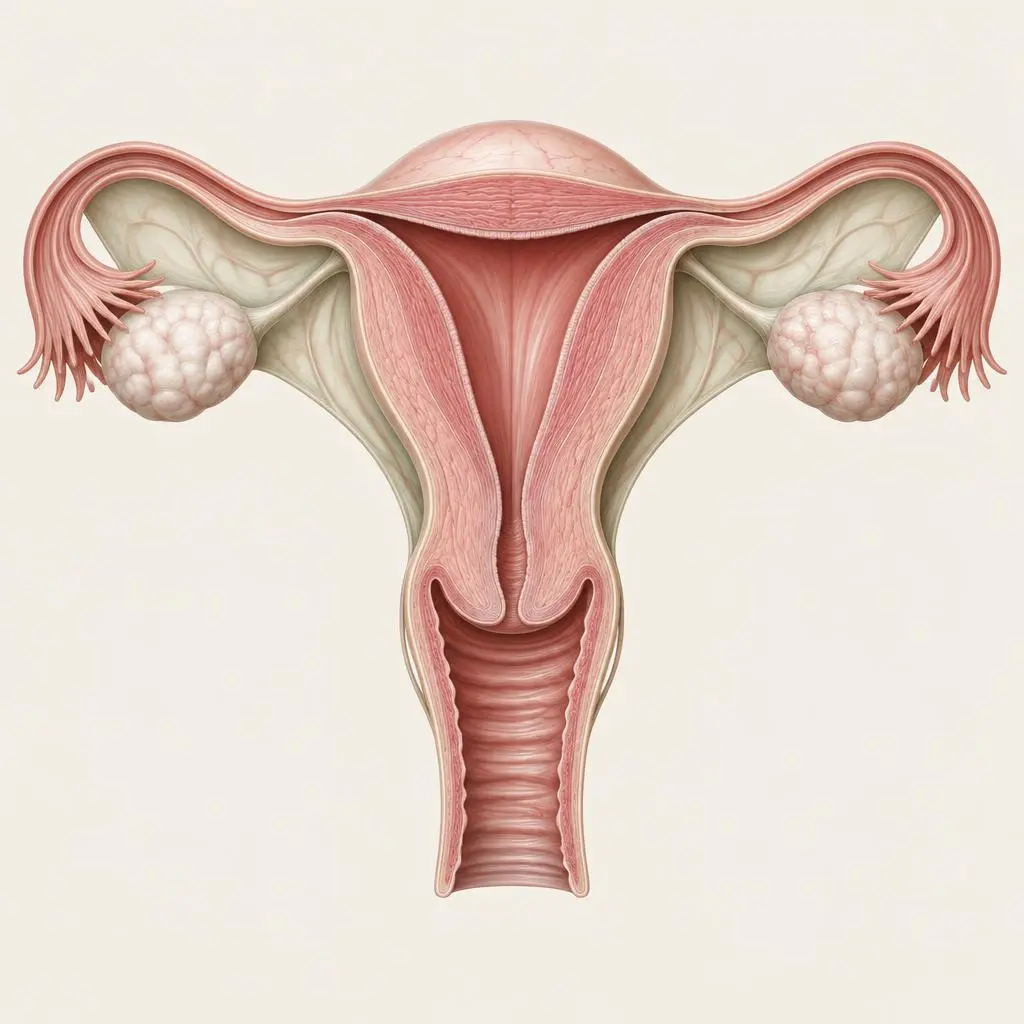
Some women are born with a uterus that has a different shape, such as a septate uterus (a wall of tissue divides the inside) or a bicornuate uterus (a heart-shaped uterus with two sides). Many women have no problem at all. In others, it can cause repeated miscarriage, early delivery, painful periods or difficulty conceiving.
We assess each case with care. Ultrasound and MRI help confirm the exact type before any decision is made, because each type is treated differently and some need no surgery.
When surgery can help, we use laparoscopic and hysteroscopic techniques to improve menstrual health and fertility outcomes in selected cases. For a septate uterus, the wall can often be removed through the vagina, with no cut on the belly. Your doctor will explain clearly what surgery can and cannot do for you.
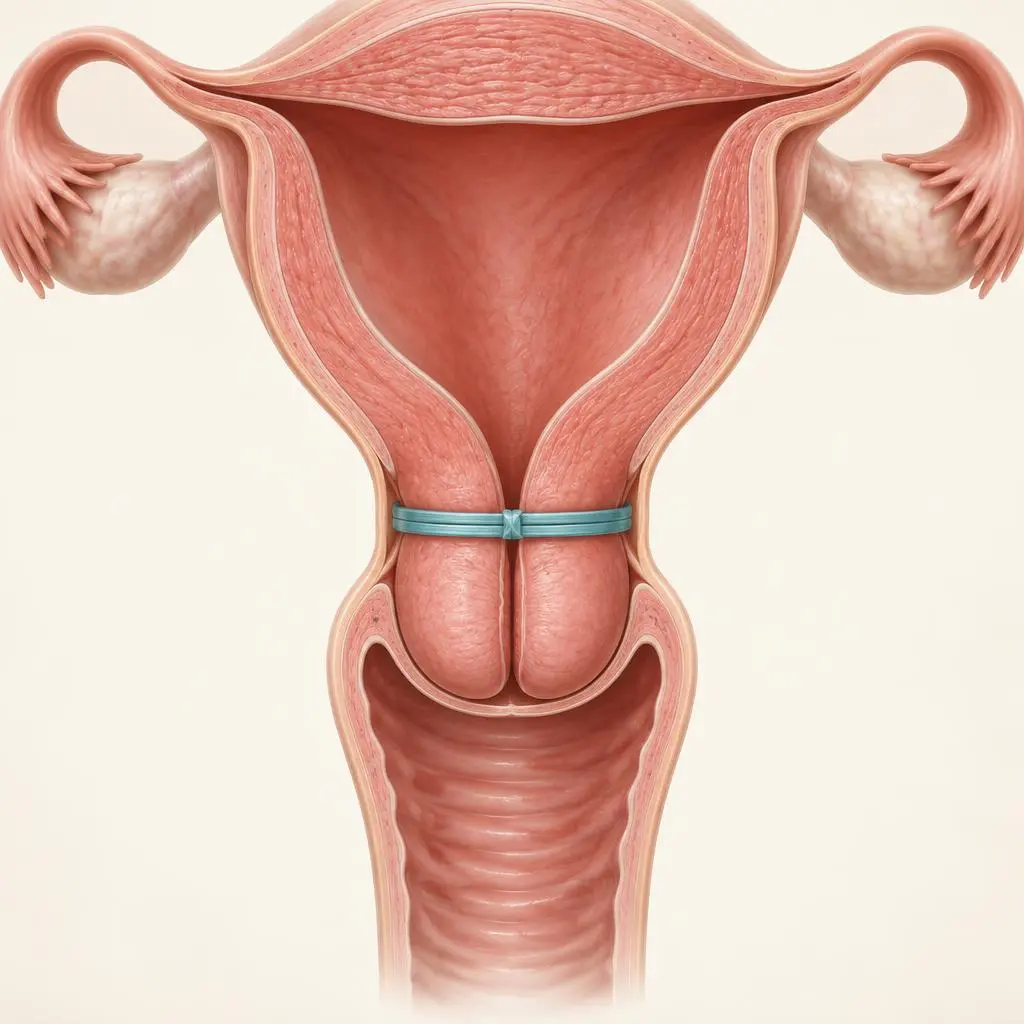
The cervix is the lower end of the uterus. It normally stays closed during pregnancy, but in some women it is weak and opens too early, without pain. This is called cervical insufficiency, and it can lead to miscarriage or very early delivery.
A cerclage is a stitch placed around the cervix to keep it closed, so the pregnancy can continue to term. It may be considered if you have:
Most stitches are placed through the vagina. A laparoscopic cerclage is placed higher up and is considered for selected women, for example when a vaginal stitch has not worked or cannot be placed.
Our team will assess whether this is suitable for you and coordinate with your antenatal care, with regular scans and check-ups through the pregnancy.
Most patients are discharged within one to two days and resume light activities within a few days to two weeks, depending on the surgery. Procedures such as hysterectomy may need a little longer before you return to heavy lifting or strenuous exercise, and your surgeon will give you a clear timeline. Please contact the hospital promptly if you develop high fever, heavy bleeding, worsening pain, redness or discharge at the wound, or difficulty passing urine.

Share your details with the Kathir Hospital team to discuss your gynaecological concerns and explore suitable treatment options.
Do not use this form for urgent medical assistance. For emergencies, call the hospital directly.
A member of the hospital team can follow up on your enquiry.
By submitting this form, you consent to Kathir Hospital contacting you about your enquiry. Do not share urgent medical information here.