Get fast, expert care for stroke and medical emergencies, with round-the-clock assessment, treatment and ICU support when every minute counts.
Stroke can strike suddenly, and every minute matters. Weakness on one side, a drooping face, slurred speech or loss of balance need urgent attention, as do chest pain and breathing trouble.
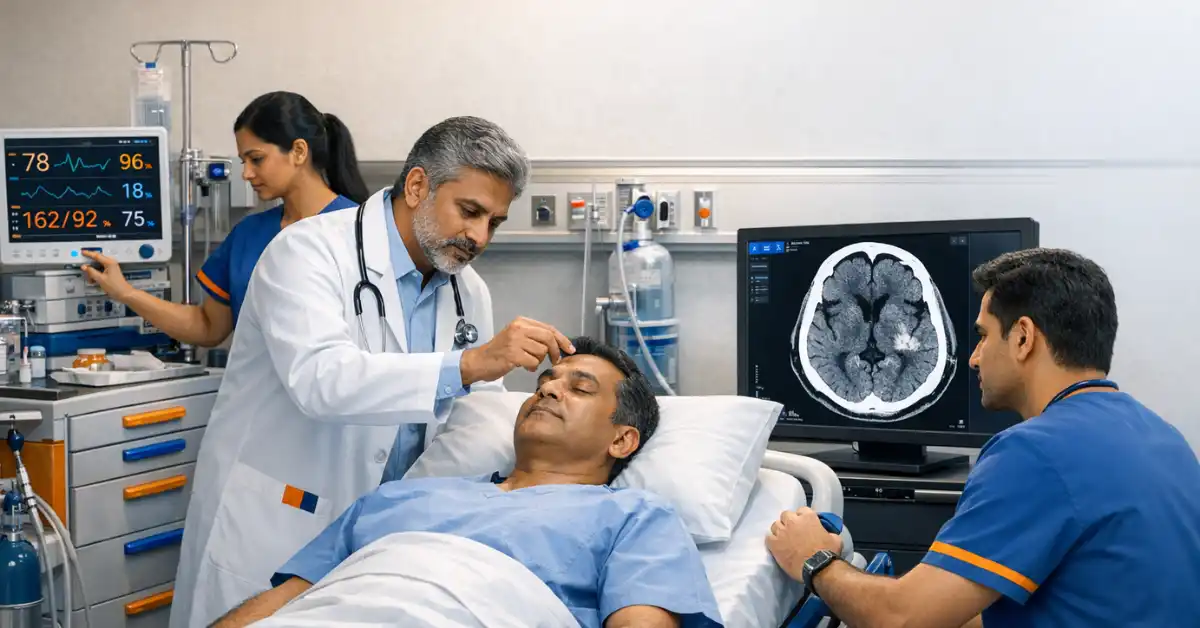
At Kathir Hospital, our emergency team is available round the clock. We check your vital signs at once, arrange tests and scans, and start treatment without delay. We keep your family informed in simple words and guide your recovery afterwards.
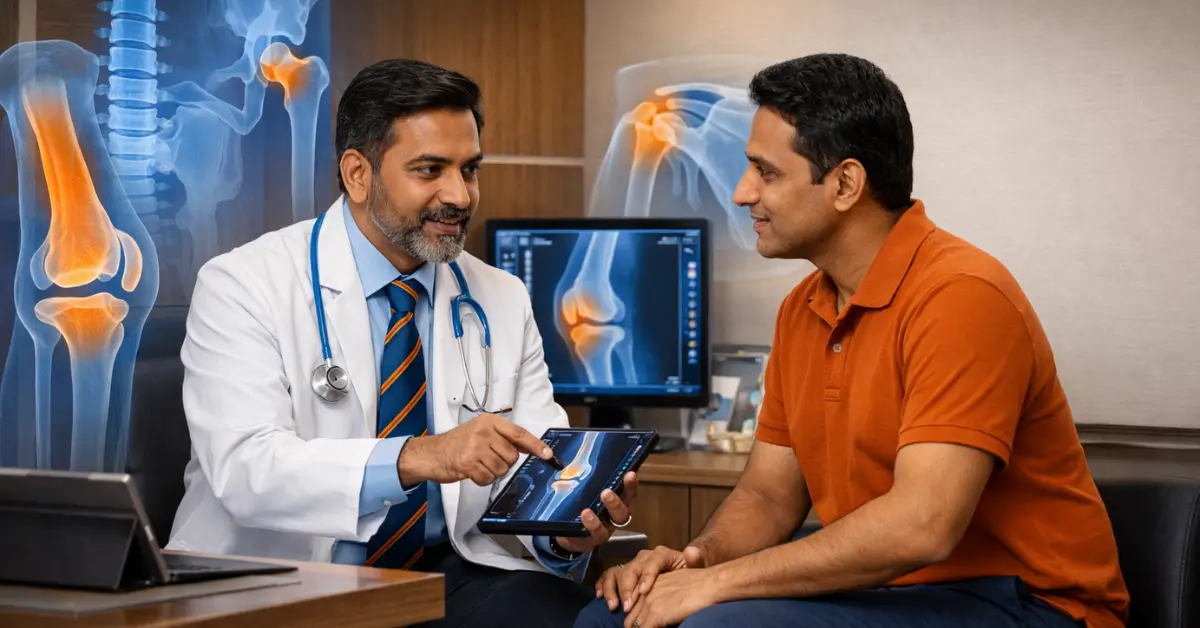
Bring your questions, previous reports and current medicines. The hospital team can confirm the right next step.
+91 88838 93521Stroke and emergency care covers rapid assessment, urgent treatment and ongoing monitoring for sudden, life-threatening conditions, with specialist support and rehabilitation after recovery.
Enquiry topics, not diagnoses.
Publish only services confirmed by the speciality team.
Experienced emergency physicians, neurologists and critical care specialists provide prompt, personalised care for stroke and urgent medical conditions, supporting patients from the first moment of arrival through treatment and recovery.
For a suspected stroke or any emergency, do not wait for an appointment. Call the hospital or come to the emergency department immediately.
Tell the team exactly when the symptoms started, or when the person was last seen well. This time decides which treatments can be given.
If it is safe and quick to do so, carry previous reports, scan results and a list of current medicines. Please mention long-term conditions such as diabetes, high blood pressure or heart disease, and any blood thinners the patient takes.
Keep the patient lying comfortably, do not give food, water or tablets by mouth, and let the emergency team take over as soon as you arrive.
Learn about stroke warning signs, emergency treatment, recovery and rehabilitation.
From the first emergency assessment and scans to treatment, intensive care and rehabilitation, receive coordinated care based on the patient’s condition.
Emergency physicians, neurologists and critical care specialists assess the patient quickly, explain the findings and discuss treatment with the family.
Emergency departments open round the clock, imaging and laboratory support, ICU, operation theatre and rehabilitation services.
View FacilitiesClear talks with families, close monitoring and a personal recovery plan with physiotherapy, speech and mobility support, so patients can get back to daily life safely.
Contact HospitalClear answers to common questions about stroke symptoms, emergency treatment and recovery.
Share your details with the Kathir Hospital team and discuss your stroke or emergency care concerns.
Do not use this form for urgent medical assistance. For emergencies, call the hospital directly.
A member of the hospital team can follow up on your enquiry.
By submitting this form, you consent to Kathir Hospital contacting you about your enquiry. Do not share urgent medical information here.